Amazon Abandons Four AI Data Centers in Loudoun County, Ceding Ground to Local Resistance
The tech giant replaces a major compute hub with residential housing and a community arts center after intense regional pushback against energy demands.
By Malcolm Davis ·
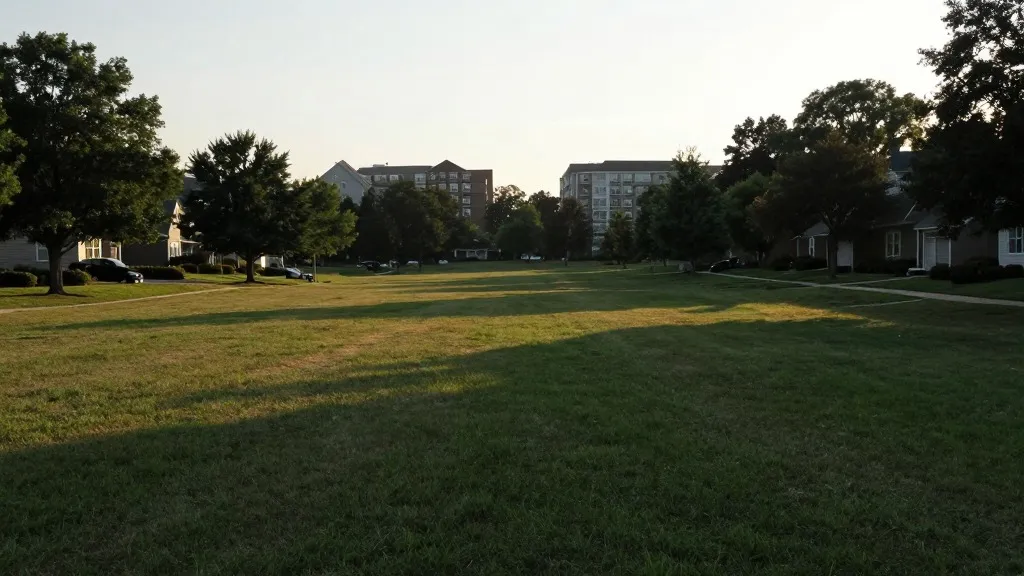
Amazon has officially withdrawn its proposal to construct four new data centers on a 122-acre parcel in Loudoun County, Virginia, marking a significant retreat in its infrastructure expansion. The company, which initially sought to repurpose the site of the former George Washington University campus, will instead dedicate the majority of the land to mixed-use and residential development. This shift follows intense scrutiny from local stakeholders who expressed deep concerns regarding the operational impact of high-density computing facilities on their community.
The decision represents a notable departure from the prevailing trend in Northern Virginia, a region frequently referred to as 'Data Center Alley' due to its unprecedented concentration of computing infrastructure. As demand for artificial intelligence capabilities surges, the requirement for larger and more power-hungry facilities has intensified. However, the local community’s resistance to the noise and massive energy consumption associated with such projects has forced a reevaluation of development strategies in the area. Amazon first submitted its proposal in July, but by September, county leaders and company representatives engaged in discussions that ultimately led to the abandonment of the data center plan.
Josh Weissman, Amazon’s vice president for data center development, explained that while the company saw immediate value in acquiring the former campus, it respected the county’s specific objections to data center development at that location. Weissman noted that although the company viewed the legal development potential of the property differently than the county did, they concluded that collaboration was preferable to costly litigation. He stated that the best outcome for all parties was a shared vision for the campus rather than a protracted legal battle.
To sweeten the deal, Amazon has committed to donating 25 acres of the property to Loudoun County. This land will be utilized for a new community arts center and recreational facilities. Additionally, the company will contribute $5 million to the county’s housing fund, aiming to increase the availability of affordable homes for working families. These concessions appear designed to address the primary grievances of residents who felt their quality of life was threatened by the proposed industrial buildout.
Phyllis J. Randall, the chair of the Loudoun County Board of Supervisors, characterized the outcome as a triumph of dialogue over confrontation. In a statement, Randall emphasized that the agreement provides residents with new spaces to gather and create, while also securing more attainable housing options. The county’s approach highlights a growing pattern where local officials are leveraging community sentiment to influence where major tech giants place their infrastructure.
This development occurs against a backdrop of broader national discussions about the energy implications of AI growth. Just days prior, President Donald Trump urged data center operators and AI hyperscalers to compensate local communities for energy-related price increases. He further suggested that these facilities should generate their own power and return excess energy to the grid. These federal statements reflect the increasing political pressure on tech companies to manage the local costs of their global digital infrastructure.
While the move satisfies local critics, it raises questions about the long-term sustainability of data center expansion in power-constrained regions. With Northern Virginia’s grid capacity nearing its limits, the shift toward residential development may offer a temporary respite for the community, but the fundamental demand for AI compute resources remains unchanged. The outcome in Loudoun County serves as a case study in how local political dynamics are beginning to shape the physical footprint of the AI revolution.
Source: Tom's Hardware